
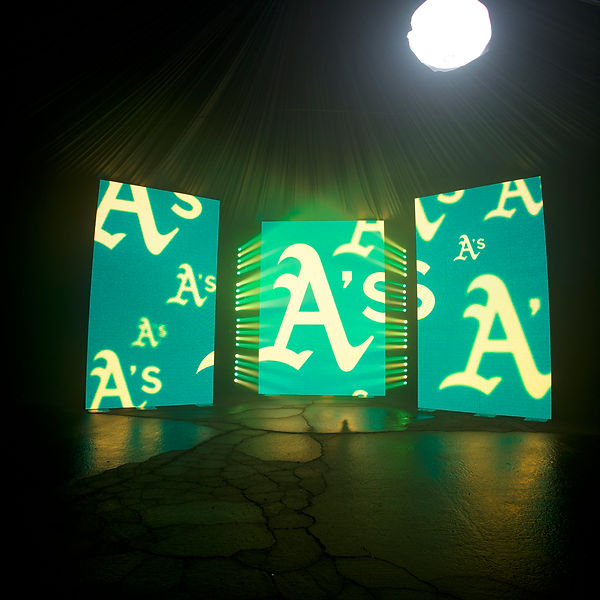
Inspect a known state instead of a changing setup
Agree when the system will be ready for review and which room lighting look should be active. If content is still being replaced or major setup work continues, findings can become obsolete immediately. The inspection should use the intended playback path and a known set of files so the team can distinguish a content problem from an output problem.
Assign roles before beginning. The operator manages playback and technical escalation; the planner or content approver confirms the audience-facing material. The production lead handles decisions affecting show readiness. One person may hold more than one role, but each approval still needs an identifiable owner.
Describe visible defects without attempting repairs
Ask the operator to show suitable diagnostic material and representative event content. Look for dark areas, inconsistent color or brightness, unexpected lines, flicker and obvious image discontinuities. Use more than one image because a dark background may conceal a problem that becomes apparent on a lighter slide.
Record where the issue appears, what was displayed and whether it persists across files. Avoid diagnosing the cause from appearance alone. For example, a visible line could require technical investigation rather than an immediate conclusion about a panel. Report the observation to the qualified technician; planners should not open cabinets, reconnect components or attempt adjustments to electrical or structural systems.
Confirm that the loaded content is actually approved
Compare the playback list with the approved content record. Check event names, speaker names, session titles and any information likely to have changed during final revisions. Confirm that test patterns, draft labels and desktop views are not part of the planned guest-facing sequence. A technically clean display can still show the wrong version.
Review the opening screen, transitions into the first segment and the intended holding screen. Where motion is used, watch enough to verify its ending or loop behavior. If a replacement file arrives during inspection, identify who approved it and repeat the relevant checks after loading. Do not treat receipt of a new file as proof that it is ready to show.
Judge brightness with the room, not in isolation
Review the wall from audience positions under the planned doors-open lighting. Ask whether it feels visually dominant, whether pale backgrounds are uncomfortable to view and whether important text remains clear. Then consider any scheduled lighting change that materially alters how the wall will appear.
Request adjustments through the operator and coordinate with the lighting lead where needed. There is no universal brightness setting that suits every room and piece of content. After an adjustment, recheck both lighter and darker material. Keep this review focused on appearance; technical operating limits and equipment decisions belong to qualified professionals.
Record readiness and preserve the accepted opening state
Finish with a brief record of what was inspected, the loaded content versions and any unresolved issue. Assign each open item an owner and an explicit next decision: correct and retest, use an approved fallback, or escalate opening readiness. Operator sign-off records the display review; it does not replace venue approvals or other professional safety responsibilities.
- Log visible issues and their locations.
- Confirm approved files and the opening screen.
- Recheck appearance after brightness changes.
- Record sign-off and owners for unresolved items.
Put the plan into practice
Before doors open, establish a known, approved display state and document any exceptions. Useful inspection notes describe what guests would see, who must act and what needs retesting—not speculative diagnoses or improvised repairs.
LED video wall rental and production