
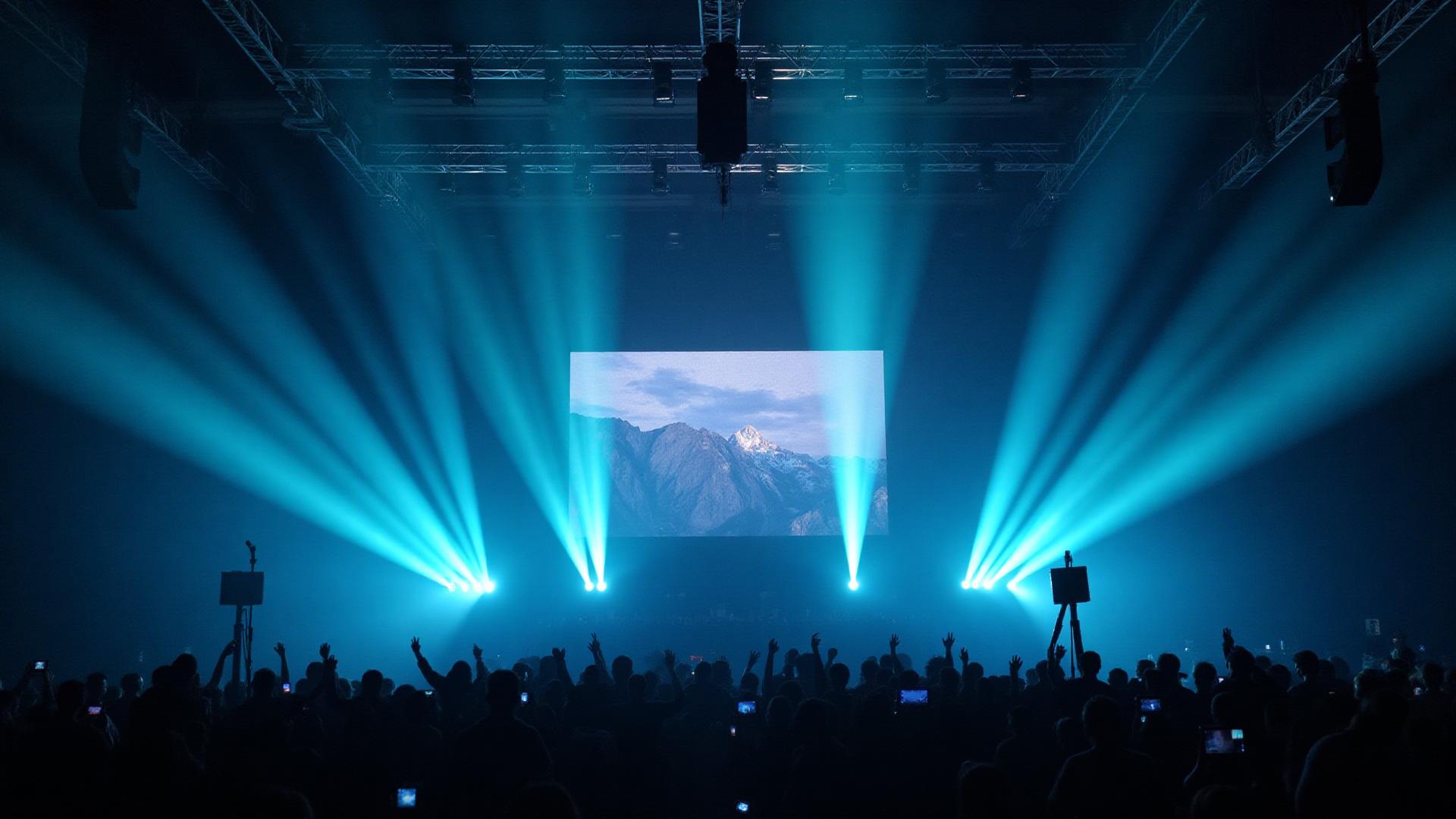
Use sound check to verify technical behavior
The audio lead should guide sound check using the microphones and presentation audio paths planned for the session. Relevant checks include speech intelligibility, consistent coverage and playback audio where it is part of the program. The exact approach depends on the room and production scope; internal staff should not improvise system adjustments.
Presenters help by speaking at a realistic delivery level from their intended positions. A brief whispered greeting is not representative of an energetic talk, and a stationary test does not represent a presenter who expects to move. Tell the audio lead about planned movement and audience participation so those uses can be evaluated.
An empty room is not identical to an occupied one. Ask the production team what may need monitoring once attendees arrive. Completing sound check establishes technical readiness for the agreed conditions, not a guarantee that no adjustments will be needed.
Use rehearsal to practice human handoffs
Rehearsal should cover entrances, opening remarks, slide cues, transitions and the end of each speaking segment. The presenter, cue caller and relevant operators need to understand who initiates each action. A technically functional microphone cannot resolve uncertainty about whether the host introduces the next speaker or leaves the stage first.
Practice the moments where responsibility changes hands. These include moving from a live talk to a video, opening audience questions and returning control to the host. For a hypothetical leadership meeting, the most useful rehearsal segment might be the transition between two executives rather than another uninterrupted reading of their prepared remarks.
Use rehearsal to check timing against the agenda and identify places where presenters need a clear signal. Keep content coaching separate when possible so production participants are not held through discussions that do not affect their cues.
Schedule two agendas, even when time is shared
Technical verification should reach a workable state before a cue rehearsal depends on it. Otherwise, presenters repeatedly stop for unresolved audio issues and never experience a realistic sequence. Ask the production lead which checks can happen before speakers arrive and which require the actual presenters.
If only one shared access block is available, divide it explicitly into technical verification and program practice. State who must attend each portion and what marks the transition between them. Do not let repeated slide edits consume the time reserved for audio checks. Conversely, avoid extending a completed technical check into an unplanned full presentation run.
Track findings according to what must be retested
Keep a short issue log with an owner and a verification action for each item. An audio problem belongs with the production lead. An unclear introduction belongs with the program owner. A slide cue problem may require both. This prevents every unresolved detail from being labeled an AV issue.
After changes, repeat the relevant check rather than assuming the earlier approval still applies. A changed microphone arrangement needs technical review; a revised speaker order needs transition practice. If both change, both agendas may need attention. Confirm who decides the program is ready before attendees enter.
- Give sound check and rehearsal separate objectives.
- Invite the people needed for each verification task.
- Practice transitions with the actual cue owner.
- Assign each issue an owner and a retest decision.
Put the plan into practice
Sound check proves the technical path under the planned conditions; rehearsal proves the people can use it together. Protect time for both and close their findings separately so a successful test is not mistaken for a practiced program.
Corporate AV and event production in Arizona